Hackney council rules for floral displays and permits
Posted on 11/10/2026
Hackney council rules for floral displays and permits: a practical guide for shops, events, and public-facing displays
If you are planning floral displays in Hackney, the paperwork can feel a bit more complicated than the flowers themselves. One minute you are sketching a neat shopfront arrangement or a wedding installation; the next you are wondering whether Hackney council rules for floral displays and permits mean you need permission, a licence, or just a sensible conversation with the right team. Truth be told, that uncertainty is where most avoidable problems start.
This guide explains the issue in plain English. It covers when a floral display may need permission, what kind of permits or approvals can come into play, how to reduce the risk of objections, and how to plan displays that look good without causing headaches for residents, pedestrians, or council officers. If you are a florist, event organiser, business owner, or venue manager, you will find the practical side here, not just the theory.
One quick note before we get going: council requirements can change, and different streets, sites, or activities may be treated differently. So the safest approach is to treat this as a planning guide, not a substitute for checking the exact local position for your site.
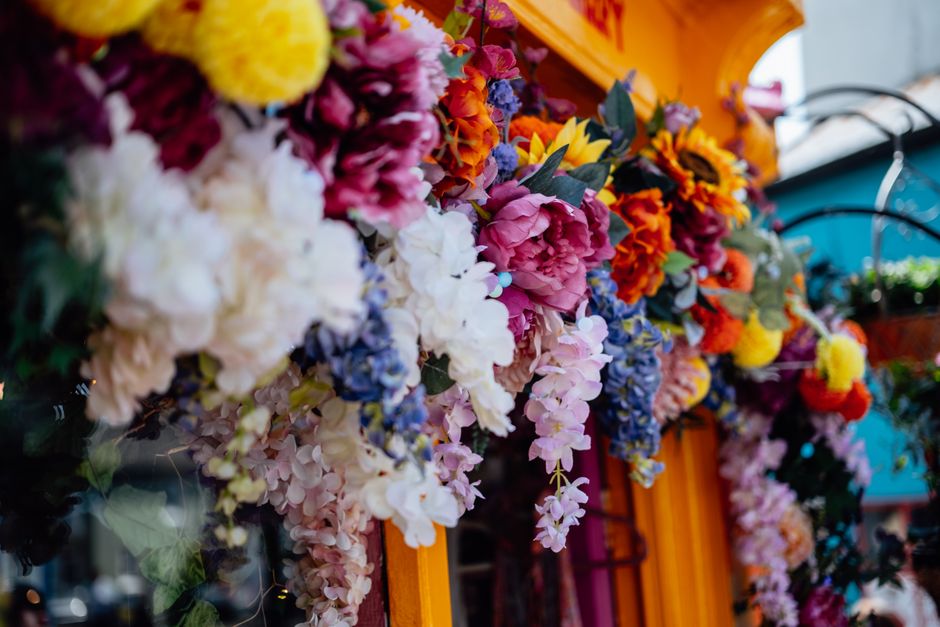
Table of Contents
- Why Hackney council rules for floral displays and permits matters
- How Hackney council rules for floral displays and permits works
- Key benefits and practical advantages
- Who this is for and when it makes sense
- Step-by-step guidance
- Expert tips for better results
- Common mistakes to avoid
- Tools, resources and recommendations
- Law, compliance, standards, or best practice
- Options, methods, or comparison table
- Case study or real-world example
- Practical checklist
- Conclusion
- Frequently asked questions
Why Hackney council rules for floral displays and permits Matters
Floral displays are often seen as harmless, and usually they are. But once flowers move beyond a vase in a window and into shared or public space, the picture changes. A display outside a shop can narrow the pavement. A wedding arch in a courtyard may affect access routes. A hanging installation can raise safety concerns. And a street-level arrangement can, in the wrong place, create trip hazards or block sight lines.
That is why Hackney council rules for floral displays and permits matter. They help decide whether your display is simply decorative, whether it sits comfortably within the property you control, or whether it crosses into a use that needs permission. In busy parts of Hackney, where pavements can already feel tight on a Saturday afternoon, even a beautiful display needs to be planned with access in mind.
From a business point of view, this is not just about avoiding a complaint. It is about protecting your reputation. A floral arch that causes a bottleneck near the doorway can look lovely in photos and still become an issue if it frustrates neighbours, customers, or passers-by. No one wants to be "that shop" with the roses everyone loves and the obstruction everyone hates.
There is also a timing issue. If a display is tied to a launch, wedding, memorial, seasonal event, or public celebration, delays can be awkward. A permit request left until the last minute can mean rushed changes, extra costs, or a watered-down design. Not ideal, to be fair.
Expert summary: If your floral display stays clearly within private property and does not affect access, safety, or the public highway, it may be straightforward. If it reaches into shared space, affects a pavement, or forms part of a larger event setup, pause and check whether permission or a permit is needed before you build it.
How Hackney council rules for floral displays and permits Works
The basic idea is simple: the more your floral display interacts with public space, the more likely it is to trigger a permission check. That might involve a council permit, a property-related approval, event planning conditions, or requirements linked to highways, licensing, or building safety. The exact route depends on what you are doing and where.
Think in layers. First, ask where the display sits. Is it fully inside a shop, venue, home, or private garden? Or does it extend to the kerb, pavement, entrance steps, frontage, or a shared courtyard? Second, ask what the display is for. Is it purely decorative? Is it part of a commercial promotion? Is it for a wedding, funeral, corporate event, or street-facing activation? Third, ask how it is fixed. Temporary freestanding arrangements are usually easier to manage than installations attached to structures, railings, canopies, or street furniture.
In practical terms, councils generally care about a handful of things:
- pedestrian access and width of the walkway
- vehicle visibility and highway safety
- trip, slip, and falling-object risks
- fire escape routes and venue access
- noise, obstruction, and neighbour impact
- duration of the display
- whether the display is temporary or recurring
A florist setting up a compact arrangement inside a cafe window will usually face a very different level of scrutiny from a business placing large planters and arches outside a busy high street entrance. Same flowers, different risk profile.
Permits, where required, are normally there to make sure the display does not cause inconvenience or danger. They can also help define conditions such as duration, set-back distance, dismantling times, and maintenance responsibilities. If you ignore that process, you may end up being asked to remove the display quickly, which is the sort of stress nobody needs at 8:30 on a Friday morning.
For businesses handling regular orders, it can help to build your planning around trusted operational policies too. For example, details on delivery arrangements and flower care matter when you are preparing displays that need to stay fresh, safe, and presentable for more than a few hours.
Key Benefits and Practical Advantages
Following the right process is not just about avoiding trouble. Done well, it gives you more creative freedom because you know the boundaries. That sounds a bit backwards, but it is true. Once the basics are clear, you can design confidently instead of guessing and hoping.
Here are the main advantages:
- Fewer delays: approvals and permissions handled early reduce last-minute redesigns.
- Better design choices: knowing what is allowed helps you pick the right scale, materials, and placement.
- Safer installations: you lower the risk of accidents, complaints, or emergency removal.
- Stronger customer trust: clients feel reassured when the display looks professional and responsible.
- Cleaner operations: less chance of schedule chaos, especially for events with a fixed start time.
- Better neighbour relations: a considerate display can look great without causing friction.
There is also a commercial benefit that gets overlooked. A florist or event organiser who understands compliance often wins work more easily because clients do not want uncertainty. They want someone who knows how to handle the practical bits. Not glamorous, perhaps, but very useful.
For regular retail use, good planning can also support product choices. A shopfront display that sits comfortably within the rules may be easier to refresh with seasonal ranges such as all flowers, best sellers, or elegant arrangements from luxury flowers if the space and budget allow.
Who This Is For and When It Makes Sense
This topic matters to more people than you might expect. It is not just a florist's concern. In Hackney, floral displays and permit questions can affect shop owners, restaurant managers, wedding planners, event coordinators, venue teams, landlords, community organisers, and even private residents hosting a one-off celebration.
You should pay close attention if you are:
- placing flowers outside a shop or cafe
- building a display near a pavement, entrance, or shared access route
- decorating a venue for a wedding or reception
- installing floral features for a corporate launch or brand event
- setting up a memorial, tribute, or ceremonial arrangement in a public-facing location
- managing repeated displays for seasonal campaigns
- adding hanging, freestanding, or fixed floral elements to a structure
There are also situations where the rules may feel less obvious. For example, a florist might be asked to create a dramatic entrance piece for a private venue that still opens directly onto public pavement. Or a cafe might want small floral planters at the front edge of the property because they brighten the street. Looks harmless, but the boundary between private frontage and public space can be the whole issue.
If your display is genuinely temporary and fully inside your own controlled space, you may not need any special permit. But when the display is meant to attract foot traffic, create a branded entrance, or occupy a shared outdoor area, it is wise to treat it as a potential compliance job rather than just a styling job.
And yes, even a small arrangement can become a bigger question if it sits exactly where people need to pass. A few roses do not look like much until a pushchair, mobility aid, or delivery trolley comes through. Then the room disappears quickly.
Step-by-Step Guidance
If you are trying to work out the right process, a simple method helps. Do not start with the design. Start with the space.
- Map the exact location. Identify whether the display sits inside, on private frontage, in a shared courtyard, or on the public highway edge.
- Measure the practical impact. Think about how much room remains for walking, turning, accessing doors, and keeping sight lines clear.
- Check the purpose and duration. A one-day wedding installation is not the same as a six-week seasonal frontage.
- Review likely permissions. Consider whether the display may involve council approval, event permission, landlord consent, or venue sign-off.
- Prepare a simple visual plan. Photos, sketches, and measurements can save a lot of back-and-forth.
- Build in safety. Use stable bases, secure fixings, and materials that suit the weather and footfall.
- Agree who removes and maintains it. Flowers wilt, ribbons loosen, and water spills happen. Somebody needs ownership.
- Keep written confirmation. If you receive approval or informal guidance, store it safely with the job details.
A practical example: a florist arranging wedding table flowers in a function room may need only venue approval. The same florist installing a freestanding floral arch near a shared entrance could need a more formal check. The difference is not the flowers. It is the placement.
If you are producing regular event work, it also helps to separate the creative brief from the operational brief. One is about colour, season, and style. The other is about access, permissions, setup time, and removal. Keep them separate, and everything becomes easier. Really, much easier.
Expert Tips for Better Results
After enough projects, a few patterns become obvious. The best floral installations are usually the ones that look effortless because the boring part was handled properly. Here are the tips that make the difference.
- Leave more space than you think you need. If a route feels just wide enough on paper, it may feel tight in reality once people, bags, and strollers are in motion.
- Choose heavier bases for outdoor displays. Wind in London can be sneaky. One gust and the arrangement that looked poised in the workshop starts to wobble.
- Use weather-smart materials. Some flowers handle temperature shifts and busy handling better than others. Mixed arrangements often work well because they balance texture and resilience.
- Think about sight lines. A pretty display should not block drivers, cyclists, or people stepping out of doors.
- Plan for the end, not just the reveal. Dismantling can be messier than setup. Make sure bins, bags, water collection, and transport are ready.
- Confirm access times early. If a venue only lets you in at a certain hour, your team needs that written down.
Another useful habit is photographing the installation from different angles before the event begins. That creates a tidy record and helps if anyone later asks how the display sat in the space. Nothing dramatic, just sensible.
When the brief is uncertain, choose calmer designs with lower structural risk. A carefully finished arrangement often impresses more than a huge one that barely fits. In Hackney, where space can be at a premium, restraint can look more elegant than excess anyway.
For reusable presentation ideas, you may also want to explore ranges like flowers in a vase or baskets and posies when the goal is a compact, stable display rather than a large installation.
Common Mistakes to Avoid
A lot of problems come from small assumptions. The display looks harmless, so nobody checks. The venue says "probably fine," so nobody gets it confirmed. The flowers arrive, the team sets up, and then someone notices the doorway is pinched. It happens more often than you might think.
Watch out for these mistakes:
- Assuming private property means no rules apply. A display can still create issues if it affects entrances, shared access, or safety.
- Leaving permit checks until the last minute. Approval delays often come from rushed requests.
- Forgetting the removal plan. A display that is easy to install but hard to remove becomes a real nuisance.
- Using unstable stands or containers. They may look fine indoors and fail outdoors.
- Ignoring weather conditions. Rain, wind, and heat all change how flowers and supports behave.
- Overcrowding the frontage. If people have to squeeze around the display, it is too big.
- Relying on verbal reassurance only. Get important permission or approval in writing where possible.
There is a quiet trap too: copying a display that worked somewhere else. A design approved at one venue may not be suitable in Hackney if the frontage, footfall, or access pattern is different. Same bouquet, different rules. Annoying? Yes. Helpful? Also yes, because context is everything.
If you work across multiple sites, build a habit of checking each location as a fresh job. That is not overcautious. That is professional.
Tools, Resources and Recommendations
You do not need a huge toolkit to manage floral display compliance well. What you do need is a clear set of working habits and a few practical items.
- Measuring tape: essential for checking clearances and frontage width.
- Phone camera: useful for recording the space before and after setup.
- Simple site sketch: a rough plan can settle questions quickly.
- Checklists: ideal for setup, maintenance, and removal.
- Stable containers and weighted bases: especially important outdoors.
- Weather-appropriate wrapping and water control: helps reduce spills and damage.
- Written approval records: keep emails and notes in one place.
On the business side, useful supporting pages can also help customers understand how you operate. For example, your about us page can reassure clients that the team takes quality and care seriously, while your guarantees page can set expectations clearly. That sort of clarity matters when you are handling event work with deadlines.
If you are dealing with larger, repeat, or business-to-business floral needs, it may also help to look at corporate accounts for a more structured ordering approach. It keeps everything neat. Which, let's face it, is half the battle.
Do not underestimate good communication. A quick site visit, a marked-up photo, or even a neat email with measurements can prevent confusion later. It is old-fashioned, maybe, but it works.
Law, Compliance, Standards, or Best Practice
This section is where people often want certainty, but the honest answer is that compliance depends on the nature of the display and the setting. Hackney council rules for floral displays and permits may interact with several areas at once: highways use, planning considerations, event permissions, landlord or lease terms, and general safety duties.
In plain English, that means you should think beyond flowers. Ask whether the display could:
- obstruct the pavement or road edge
- interfere with emergency access
- create a hazard for pedestrians
- affect visibility for vehicles
- damage public property
- contravene venue or lease conditions
Best practice is to document your assessment. You do not need a giant file. A short note with the date, location, dimensions, planned duration, and approval status is often enough to show that you took the matter seriously.
When the display is part of a wedding, tribute, or event, check the venue's terms early as well. Some spaces have stricter rules than the council would, especially where candles, glass, or access corridors are involved. A florist working on wedding table arrangements or a larger weddings package may need to coordinate several moving parts at once. It is all manageable, but only if the basics are pinned down.
For public-facing memorials or sympathy work, stability and respect matter just as much as presentation. Consider the practicality of designs such as wreaths or tributes where the setting calls for something dignified and secure. In these cases, the best design is often the one that stays in place, looks calm, and does not create any extra concern for the people around it.
One more thing: if there is any doubt about whether the display sits in a controlled area or a shared/public one, assume it may need checking. That is a safer habit than hoping nobody notices. And usually, somebody does notice.
Options, Methods, or Comparison Table
Not every floral setup needs the same level of attention. Here is a simple comparison that may help you decide how much planning is sensible before you start.
| Display type | Typical setting | Permission risk | Practical notes |
|---|---|---|---|
| Indoor vase arrangement | Shop, home, cafe interior | Low | Usually straightforward if it stays inside controlled space and does not affect exits. |
| Window display | Retail frontage | Low to medium | Check sight lines, stability, and whether the display might restrict opening, cleaning, or emergency access. |
| Freestanding entrance flowers | Venue doorway or storefront | Medium | Measure clear walking space and consider weather, footfall, and removal timing. |
| Pavement-edge installation | Public-facing frontage | Medium to high | Likely to need a more careful permission check, especially in busy or narrow areas. |
| Large event floral feature | Wedding, launch, celebration | Medium to high | Needs coordination with the venue, setup crew, and any relevant approvals. |
| Fixed or attached display | Railings, facade, structure | High | Requires careful checking because attachment and safety issues tend to matter more. |
If you want a simple rule of thumb, start with this: the more public the location, the more formal the check. That will not answer every question, but it gets you close enough to make sensible decisions.
Case Study or Real-World Example
Imagine a small Hackney florist preparing for a summer wedding and a separate shopfront refresh in the same week. The wedding client wants soft white and green flowers near the venue entrance. The shop wants a colourful display outside the doorway to attract footfall during a busy weekend market.
For the wedding, the florist measures the entrance, checks the venue's access route, and agrees that the floral piece must not narrow the doorway or block the fire exit path. The arrangement is built on a stable base, placed inside the venue boundary, and photographed once installed. Clean, tidy, done.
The shopfront is trickier. The owner wants the display to spill slightly onto the frontage to create impact. Before setting anything in place, the florist checks how much room remains for pedestrians and delivery access. It becomes clear that the original design is too wide for the available space. So the team scales it back, keeps the display closer to the wall, and uses height and colour rather than depth to create drama.
The result looks better, not worse. Passers-by can still move comfortably, the flowers are visible from the street, and nobody has to step round an awkward obstruction. That is what good compliance often looks like in practice: less fuss, better outcome.
You can see how the same creative instinct plays out differently in different settings. A compact arrangement in a vase may suit one job, while a carefully weighted design from the flower garland or colourful garland range may be more appropriate for another, depending on where it sits and who needs to pass by it.
Practical Checklist
Use this checklist before any display goes live. It is simple, but it catches the usual problems.
- Have I confirmed the exact location of the display?
- Does the arrangement stay within the space I am allowed to use?
- Have I checked whether the display affects pavements, entrances, exits, or visibility?
- Do I know whether any permit, approval, or venue consent is needed?
- Have I measured the available width and clearance?
- Is the display stable enough for the setting and the weather?
- Have I planned setup time and removal time?
- Have I confirmed who is responsible for maintenance during the display period?
- Do I have written records, photos, or email confirmation?
- Have I considered the impact on neighbours, staff, and customers?
- Is the design proportionate to the site, not just pretty in isolation?
- Have I planned what happens if the weather turns, or the venue changes access?
If you can tick most of those off, you are already in much better shape than many people starting from scratch. Small checks now save big headaches later. That is usually the whole story.
Conclusion
Hackney council rules for floral displays and permits are really about balance: creative impact on one side, access and safety on the other. When you understand where that line sits, it becomes much easier to design floral work that looks beautiful and behaves properly in the real world.
The best approach is calm and practical. Check the space. Think about the public impact. Keep records. Ask early if a display is likely to cross into shared or regulated territory. If you do that, you give yourself the best chance of avoiding delays and protecting the design you worked hard to create.
For florists and event organisers, that kind of preparation is part of the craft. Not the flashy part, maybe, but the part that keeps everything running smoothly. And honestly, the smooth jobs are the nicest ones.
Get a free quote today and see how much you can save.
Frequently Asked Questions
Do I need a permit for a floral display in Hackney?
Not always. If the display stays fully within private, controlled space and does not affect access, visibility, or the public highway, it may not need a permit. Once it reaches shared or public-facing space, or becomes part of a larger event setup, you should check carefully.
What kind of floral display is most likely to need approval?
Displays that sit near pavements, entrances, public edges, or attached structures are more likely to need checking. Large installations, fixed arrangements, and anything that could obstruct movement or sight lines usually need more attention than an indoor display.
Does a wedding floral arrangement count as a public display?
It depends where it goes. A wedding arrangement inside a venue is usually a venue matter. If it sits at the entrance, in a shared courtyard, or near public access points, there may be extra permissions or safety checks involved.
Can I put flowers outside my shop without asking the council?
Sometimes yes, but not always. If the flowers are small, contained, and do not affect the pavement or access routes, the risk is lower. If they extend into public space or reduce the walking area, you should check first rather than guessing.
What should I measure before setting up a display?
Measure the width of the usable space, distance from doors and exits, and any clearance needed for pedestrians, pushchairs, mobility aids, or deliveries. In a busy area, what looks roomy in the workshop can feel cramped in the street.
How far in advance should I check permit requirements?
As early as possible. For time-sensitive events, leave enough room for questions, changes, and written confirmation. A rushed request is much more likely to cause problems than a simple one sent early.
What happens if a floral display causes an obstruction?
You may be asked to alter or remove it, and in some cases quickly. That is why it is worth checking dimensions, placement, and access before setup. A beautiful display is no good if it causes a complaint five minutes later.
Do indoor floral displays need any permits at all?
Usually not, if they remain safely inside the venue or property and do not create issues with fire exits, access, or venue rules. Even indoors, though, venue policies and safety considerations still matter.
What is the safest style of display if I am unsure?
Compact, stable arrangements placed inside controlled space are usually the safest option. Vases, baskets, and low-profile displays are often easier to manage than tall freestanding structures.
Should I get approval in writing?
Yes, where possible. Written approval, even by email, is much better than relying on a quick conversation. It helps if there is any later question about what was agreed.
Are there different rules for seasonal or repeated displays?
Yes, there can be. A one-off event display is not always treated the same as a recurring frontage arrangement or a long-running seasonal promotion. Repeated setups usually deserve a fresh check.
Where can I find more practical support from the florist itself?
If you are planning an order or want to understand the service side better, look at the florist's pages on Hackney Wick florist services, flower delivery in Hackney Wick, and contact us for direct support. That can make planning a lot easier when the timing is tight.