Mare Street wedding flowers guide for Hackney couples
Posted on 17/09/2026
Planning wedding flowers on or near Mare Street can feel exciting, slightly chaotic, and oddly personal all at once. One minute you're imagining soft bridal bouquets and candlelit tables; the next you're wondering whether the flowers will hold up on a warm July afternoon, fit the venue doorway, or survive a last-minute schedule shuffle. This Mare Street wedding flowers guide for Hackney couples is here to make the whole thing feel calmer and more manageable.
Hackney couples often want flowers that look beautifully considered without feeling overworked. Mare Street sits right in the middle of that brief: local, creative, practical, and close to plenty of wedding venues, transport links, and independent florists. In this guide, you'll find a clear way to choose wedding flowers, plan the order of events, avoid common mistakes, and make decisions that suit your style, venue, and budget. No fluff. Just useful guidance you can actually use.
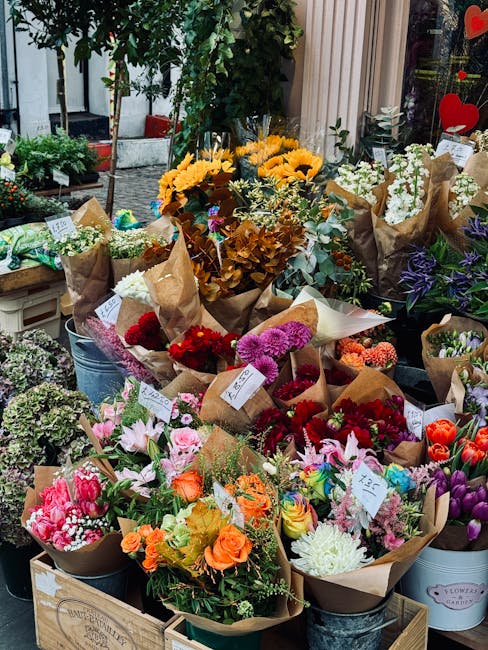
Why Mare Street wedding flowers guide for Hackney couples Matters
Mare Street is not just another London road. For Hackney couples, it often sits at the centre of wedding planning because it connects the everyday with the special: local errands, venue visits, dress fittings, and those quick "should we just pop in and sort the flowers?" decisions. That makes flower planning a lot more than a decorative afterthought.
Flowers shape the atmosphere of the day. They tell guests whether the celebration is formal, relaxed, modern, classic, romantic, or somewhere in between. A wedding bouquet, for example, does far more than match a dress. It frames photos, carries through the ceremony, and sets the tone for the whole floral palette. Table flowers do something similar for the reception. They quietly pull everything together.
To be fair, Hackney weddings often have a particular feel. You might be getting married in a converted warehouse, a small registry-style room, a pub garden, or a contemporary venue with lots of brick, glass, and natural light. That kind of space rewards flowers with character. Simple, well-chosen arrangements usually work better than overcomplicated ones.
There's also the practical side. Local planning matters when you're dealing with delivery timing, traffic, narrow windows for venue access, and the occasional "London's doing London things" delay. Choosing flowers with a local strategy helps reduce stress. And on a wedding day, less stress is gold.
Expert takeaway: The best Mare Street wedding flower plans are usually the ones that balance style, timing, and practicality. Pretty matters, yes. But so does whether the bouquet arrives fresh, the centrepieces fit the tables, and the buttonholes are ready before the groom disappears for photos.
How Mare Street wedding flowers guide for Hackney couples Works
Wedding flower planning usually starts with the venue and the mood of the day. Once you know those two things, the rest becomes much easier. Are you aiming for romantic and soft? Crisp and elegant? Bold and colourful? The flowers should support the setting rather than fight it.
In practical terms, the process usually looks like this:
- Choose the floral style based on the venue, outfits, and season.
- Decide the priority items such as bridal bouquet, bridesmaid bouquets, buttonholes, ceremony flowers, and table arrangements.
- Set a budget range before falling in love with every single bloom. Happens all the time, honestly.
- Discuss delivery timing so flowers arrive fresh and are placed where they need to be.
- Confirm colours, stems, and flower choices with a realistic backup plan for seasonal availability.
- Review the final set-up details a few days before the wedding.
That process sounds simple, and in theory it is. The tricky part is sequencing. You want the bouquets ready when hair and makeup are done, the buttonholes finished before the photos, and the table flowers arranged without clashing with catering or venue styling. A good florist helps coordinate that flow.
If you're using a florist near Hackney Wick or wider East London, local knowledge can make things smoother. For example, if you're looking for inspiration beyond wedding-specific pieces, browsing a local flower shop in Hackney Wick E9 can help you understand what styles are realistic, what seasonal flowers are available, and how arrangements are typically built.
In a lot of cases, the floral brief also extends beyond the ceremony itself. Many couples want one cohesive look across the bridal bouquet, bridesmaid flowers, table centrepieces, corsages, and buttonholes. That's where coordinated collections become useful, especially if you want the event to feel designed rather than patched together.
Key Benefits and Practical Advantages
The right wedding flowers do more than look lovely in the room. They solve real problems and support the day in ways couples sometimes only notice once the planning is underway.
- They create visual unity. A shared palette keeps the ceremony, photos, and reception feeling connected.
- They help define the mood. Soft whites and blush tones feel different from bright mixed colours or dramatic reds and purples.
- They work hard in photos. A bouquet can soften an image, add contrast, or quietly frame the whole shot.
- They can be scaled up or down. A small Hackney wedding can still look polished without a huge floral spend.
- They support the venue. Some spaces need only a few focal arrangements. Others benefit from fuller styling.
There is also a surprisingly practical benefit: good flower planning reduces wedding-day decision fatigue. Once the flowers are sorted, you stop revisiting the same questions every night at 11pm. What size bouquet? What shade of white? What about the buttonholes? Sorted. Move on.
For local couples who want something beautiful but not overly complicated, wedding-specific products can make the process more direct. The weddings collection gives you a helpful starting point if you prefer coordinated pieces rather than building everything item by item.
And if you want a classic, versatile look, white flower choices are often a safe, elegant anchor. They tend to pair well with most wedding outfits and venue styles, from minimalist to traditional. You can then add softness or contrast with greenery, blush accents, or deeper tones.
Who This Is For and When It Makes Sense
This guide is for Hackney couples who want wedding flowers that feel thoughtful, local, and easy to manage. It's especially useful if you're in one of these situations:
- you're planning a small or medium wedding and want the flowers to feel polished without becoming a huge project
- you're getting married near Mare Street and want a florist with practical local delivery awareness
- you care about colour, seasonality, and the overall look of your day
- you want to coordinate bouquets, buttonholes, and table arrangements without over-ordering
- you've got a venue with strong existing character and need flowers that complement rather than compete
It also makes sense if you're newly engaged and still working out what your wedding style even is. That's normal. In fact, many couples only refine their floral taste once they've chosen a dress, venue, or colour palette. Flowers are often the last big visual decision, not the first.
Truth be told, some couples need flowers mainly for photos and a few focal moments; others want the room transformed. Neither approach is better. What matters is matching the floral plan to the kind of day you're actually having.
If you already know you want simple bridal stems and a matching bridesmaid look, products such as the wedding bridal bouquets and wedding bridesmaid bouquets can be a sensible place to begin.
Step-by-Step Guidance
Here's a practical way to plan Mare Street wedding flowers without spiralling into too many choices at once.
1. Start with the venue and the scale
Look at the room, ceremony space, and tables. A compact space usually needs fewer flowers than couples expect. A larger or industrial venue may need more floral volume to soften hard edges. If there are already exposed brick walls, dramatic lighting, or strong decor pieces, keep the flowers complementary.
2. Pick a colour direction first
Before deciding on every stem, choose a palette. White and green is timeless. Pink brings warmth. Purple can feel rich and modern. Mixed colours suit couples who want more energy and personality. Once the palette is clear, flower choice becomes easier.
3. Decide which items matter most
Not every wedding needs the full works. Most couples prioritise in this order: bridal bouquet, bridesmaid bouquets, buttonholes, ceremony flowers, table arrangements, and any extras like corsages or floral gifts. If budget is tight, spend on the pieces you'll see most in photos.
4. Choose stems that suit the season and the setting
Seasonal flowers usually look fresher and make better sense practically. That doesn't mean you must be limited, but it does mean being realistic. A florist can suggest alternatives if a specific flower won't behave well in the time of year you're marrying. Summer weddings especially need flowers that tolerate warmth a bit better.
5. Confirm quantities and proportions
This is where couples sometimes get caught out. A bouquet that looks gorgeous online may feel too large in person if you're petite, or too modest if your dress has a lot of structure. Table flowers also need checking against the size of the tables. Small tables don't like oversized arrangements. They just don't.
6. Plan delivery and set-up timing
For a wedding near Mare Street, the timing window matters. Ask how flowers will arrive, who will place them, and whether there is a venue contact for handover. On busy London days, that detail can save a lot of hassle. It's a small thing. It's also a big thing.
7. Build in one backup plan
Maybe the weather changes. Maybe traffic slows the delivery slightly. Maybe one flower is swapped for a similar stem. A sensible florist plans for this without making the experience feel uncertain. Good preparation keeps the day steady.
Expert Tips for Better Results
After years of watching couples make floral choices under pressure, a few patterns stand out. These are the tips that genuinely help.
- Choose one hero element. Let the bouquet, ceremony flowers, or table styling take the lead. Trying to make every part dramatic can feel busy.
- Use texture, not just colour. A mix of petals, foliage, and flower shapes often looks richer than a flat colour match.
- Be careful with strong scents. Some fragrant flowers are lovely in a bouquet, but too much scent in a small room can be overwhelming. One bride in a compact venue noticed this fast-pretty arrangement, slightly too much perfume. Easy mistake, really.
- Think about movement. Bouquets and buttonholes should be comfortable to carry and wear. Fashionable, yes. But practical first.
- Ask for examples of scale. A florist can often describe what "small," "medium," and "large" really mean in wedding terms.
- Match flowers to photography. Pale flowers can glow beautifully in daylight, while deeper colours can help define images indoors.
One useful habit is to check your flowers against the clothes rather than the other way around. A bouquet that looks perfect on a mood board might clash with ivory, champagne, or patterned bridesmaid dresses. Lay it all out mentally. Or on the kitchen table if that helps. Yes, the kitchen table often becomes the unofficial wedding HQ.
If you're interested in a softer romantic feel, a mixed palette with pinks and whites can be lovely. If you want something more contemporary, white blooms with sharp greenery usually feel clean and elegant. For a bolder East London look, richer tones like purple or mixed colours can add energy without feeling overdone.
Common Mistakes to Avoid
Most wedding flower issues are preventable. They usually happen when couples are rushed, tempted by too many ideas, or unclear about what matters most. Here are the big ones.
- Ordering without checking venue access. Some places have tight arrival slots or awkward unloading spots.
- Choosing flowers purely from photos. A flower may look beautiful online but behave differently in real life or in a different season.
- Ignoring scale. Tiny bouquets can disappear in wide venue spaces; oversized arrangements can crowd tables.
- Overcomplicating the palette. Too many colours can make the design feel less cohesive.
- Leaving delivery details too late. This is where stress creeps in. Don't do that to yourself.
- Forgetting who is carrying or wearing what. Buttonholes, corsages, bridal flowers, and bridesmaid bouquets all need different handling.
Another common one: assuming the flowers will "just work out" on the day. Honestly, flower delivery, cooling, placement, and timing all matter. Beautiful arrangements do not appear by magic in a hall at 1pm. They need a plan.
It also helps to avoid a mismatch between ambition and budget. Couples sometimes want full floral styling across every surface but have the budget for only one or two focal areas. That is fine, but the decision needs to be deliberate. Better one elegant feature than three underfunded ones.
Tools, Resources and Recommendations
You do not need a mountain of tools to plan wedding flowers well. You need a few simple resources and a bit of clarity.
- A mood board or inspiration folder: collect bouquet shapes, colour palettes, and table styles you genuinely like.
- A venue layout: even a rough drawing helps with table arrangements and ceremony placement.
- A wedding timeline: note hair, makeup, transport, ceremony, and reception timings so flowers slot in properly.
- Colour swatches or fabric photos: useful if your dress, suit, or bridesmaid outfits have warm or cool undertones.
- A shortlist of priority flowers: pick the 3-5 details that matter most and build from there.
For product ideas, it can help to browse wedding-specific arrangements rather than generic bouquets. That way, you're comparing like with like. For example, the Perfect Match bridal bouquet and matching bridesmaid bouquet are useful reference points if you want coordinated styling. If you want a softer tonal wedding look, the White Wonders bridal bouquet or White Wonders wedding collection may help you visualise the overall effect.
For couples planning a more romantic style, the Pure Romance wedding collection offers a good sense of how a wedding scheme can feel cohesive without becoming too busy. And if you want all the pieces in one place, the I Cherish You wedding collection is another practical starting point.
If you'd rather speak to someone directly, the contact page is the simplest next step for checking availability, discussing timing, or asking about bespoke requests. That little bit of back-and-forth can save you hours later on.
Law, Compliance, Standards, or Best Practice
For wedding flowers, there are not many legal complications in the way there might be with venue licensing or catering. Still, there are a few best-practice points worth keeping in mind.
1. Venue rules matter. Some venues have restrictions on open flame, hanging installations, sticky materials, floor placement, or when suppliers can access the building. Always check with the venue before planning elaborate floral structures.
2. Delivery and handover should be clear. Even without formal regulation, good documentation helps. Confirm the delivery address, access point, timing, and who signs for the flowers. If the venue is busy, this is especially important.
3. Seasonal availability is a real constraint. Florists in the UK often work with what is available and suitable for the time of year. That is not a limitation so much as good professional practice. It usually leads to better results anyway.
4. Allergies and scent sensitivity should be considered. This is a practical courtesy rather than a legal issue. If key people are sensitive to pollen or strong perfume, ask for lower-scent options where possible.
5. Sustainability is increasingly part of best practice. Many couples now want fewer single-use items and more reusable design choices. If that matters to you, ask about recyclable materials, foam-free mechanics, or arrangements that can be repurposed after the ceremony.
For care and handling on the day, general flower best practice still applies: keep arrangements cool, out of direct sun where possible, and away from heat sources. If flowers are left in a warm room too early, they can droop before the first photo is even taken. Nobody wants that awkward little limp bouquet moment.
You can also review broader service information like delivery, flower care, and sustainability to understand how a florist handles practical and ethical considerations.
Options, Methods, or Comparison Table
Different couples need different flower strategies. Here's a straightforward comparison of the main approaches.
| Approach | Best for | Strengths | Things to watch |
|---|---|---|---|
| Bridal bouquet only | Very small weddings or elopements | Simple, elegant, budget-friendly | May feel minimal if you want a styled room |
| Bouquet plus buttonholes | Registry-style weddings and intimate ceremonies | Photogenic and practical | Still limited for reception styling |
| Full coordinated set | Couples wanting a polished, unified look | Best visual consistency across the day | Needs more planning and coordination |
| Feature flowers only | Venue-led weddings with strong existing decor | Focuses spend where it matters most | Requires careful placement choices |
| Seasonal mixed scheme | Creative couples who want texture and colour | Natural, lively, often very flattering in photos | Needs flexible flower selection |
If you're unsure which route to take, start with the items that will appear in the most photographs. That usually means bridal bouquet, bridesmaid bouquets, buttonholes, and one ceremony or table focal point. A cleaner plan is often a stronger plan.
For couples who like to browse by look or budget, the luxury flowers range can help define a more elevated style, while the budget option may be useful if you want to keep spending controlled without losing the wedding feel.
Case Study or Real-World Example
Here's a realistic example, not a fairy tale. A Hackney couple planning a late-spring wedding near Mare Street wanted something soft, modern, and not too fussy. Their venue had plenty of character already: warm brick, white walls, and large windows letting in that pale London daylight that looks lovely in photos around early afternoon.
They started with a white-and-pink palette and chose a bridal bouquet as the centrepiece, with smaller bridesmaid bouquets and simple buttonholes for the key people. Rather than filling the whole room with flowers, they focused on the ceremony area and the dining tables. That meant the budget went further, and the venue still felt considered.
The couple also asked for a delivery window that fit around hair and makeup, which made the morning much easier. The bouquets arrived in good time, the buttonholes were kept separate, and the table arrangements were placed after the room was set. Nothing dramatic. Nothing stressful. Which, in wedding terms, is a win.
The biggest lesson from this kind of setup is that restraint can look more expensive than excess. One strong bouquet and a few well-placed arrangements often read better than too many competing flowers. Guests notice the atmosphere before they count the stems. They just do.
If you want a similar feel, browse combinations like roses and lisianthus wedding arrangements or a softer bouquet such as Sincerely Yours bridal bouquet. These styles can give you a refined look without pushing the design too hard.
Practical Checklist
Use this checklist a few weeks before the wedding, then again a few days before. It's boring in the best possible way.
- Confirm your wedding date, ceremony time, and venue access window
- Choose your main colour palette
- Decide which items you actually need: bouquet, bridesmaid flowers, buttonholes, table flowers, corsages
- Check whether the venue has restrictions on candles, installations, or placement
- Share dress and suit colours if they affect the flower palette
- Ask about seasonal substitutions in case a flower is unavailable
- Confirm delivery address and a named contact at the venue
- Ask how bouquets and buttonholes will be packaged on arrival
- Check that the size of table arrangements fits your table layout
- Set aside a safe, cool spot for flowers before the ceremony starts
- Keep one person responsible for signing off the floral handover
- Take a quick reference photo of the agreed look, just in case
If you only do one thing from this list, make it the delivery-and-handling check. That one step can save a lot of unnecessary wobble on the day.
Get a free quote today and see how much you can save.
Conclusion
The best Mare Street wedding flowers guide for Hackney couples is really about helping you make confident, calm choices. Flowers should support the feel of the day, not turn into another source of pressure. When you start with the venue, choose a clear palette, prioritise the pieces that matter, and plan delivery properly, everything gets easier.
Whether you want a soft romantic bouquet, a crisp white arrangement, or a fuller wedding collection, the key is to keep the design aligned with your actual day rather than some perfect imaginary version of it. A wedding in Hackney can be stylish, grounded, and beautiful without trying too hard. That's the charm of it, really.
If you're still deciding, take one calm step at a time. Look at the venue, picture the photos, think about the season, and choose flowers that feel like you. The right arrangement has a quiet way of making everything else fall into place.
And honestly, that moment when the bouquet arrives and suddenly the day feels real? It's a good one. A very good one.
Frequently Asked Questions
What flowers work best for a Mare Street wedding in Hackney?
It depends on the season, venue style, and colour palette, but white, blush, pink, and mixed seasonal arrangements are popular because they suit many Hackney venues. If your space is already visually strong, simple flowers often work best.
How far in advance should we plan wedding flowers?
Ideally, start the conversation well before the wedding date so you have time to choose a style, confirm availability, and sort delivery. The earlier you begin, the easier it is to make calm decisions instead of rushed ones.
Can we keep wedding flowers small and still make an impact?
Yes. A strong bridal bouquet, a few buttonholes, and one or two focal arrangements can look very polished. Smaller weddings often benefit from restraint rather than trying to fill every surface.
What should we prioritise if the budget is tight?
Focus on the items seen most in photos: bridal bouquet, bridesmaid bouquets, buttonholes, and maybe one ceremony piece or table feature. That gives the day a complete feel without spreading the budget too thin.
Are white wedding flowers a safe choice?
Yes, white flowers are one of the most versatile choices. They pair well with many dress shades, venue styles, and seasonal details. They can feel classic, modern, or romantic depending on how they're styled.
Do we need different flowers for the ceremony and reception?
Not always. Some couples repurpose ceremony flowers at the reception, which can be a practical way to make the most of the design. It depends on the venue layout and how much movement is possible on the day.
What are the most common wedding flower mistakes?
The biggest mistakes are poor timing, ignoring venue access, choosing flowers without thinking about scale, and trying to include too many ideas at once. A focused plan nearly always works better.
How do we match flowers to bridesmaid dresses or suits?
Share fabric colours or photos with the florist and think about contrast as well as match. A bouquet does not have to be the exact same shade as the outfits; it just needs to sit comfortably alongside them.
Can wedding flowers be seasonal and still feel luxurious?
Absolutely. Seasonal flowers often look fresher and more natural, and they can be arranged in a way that feels very elevated. Luxury is more about design, proportion, and finish than about using the most expensive stems.
What if a flower we want is unavailable?
A good florist should suggest a suitable replacement that keeps the overall look intact. That's one reason to focus on style and palette rather than insisting on a single bloom at all costs.
Is it better to choose a wedding collection or individual items?
If you want a coordinated look with less decision-making, a wedding collection can be the easier route. If you want more control over every element, choosing individual pieces may suit you better. Both approaches can work well.
Can we ask for local delivery near Mare Street?
Yes, and local delivery planning is often useful for weddings because it helps with timing, access, and freshness. It's worth confirming the handover details clearly so there are no surprises on the day.
Do wedding flowers need special care before the ceremony?
Usually, yes. Keep them cool, out of direct sun, and away from heat where possible. Simple handling can make a big difference to how fresh they look when it's time for the photos.
Where should we start if we feel overwhelmed?
Start with the venue, then the colour palette, then the three most important floral pieces. Once those are set, the rest tends to become easier. It's one of those jobs that looks huge until the first few decisions are made.